Walk down any street in Melbourne's eastern suburbs and you will see herringbone brick paving. It is by far the most popular pattern for driveways and patios — here is why.
The Structural Case for Herringbone
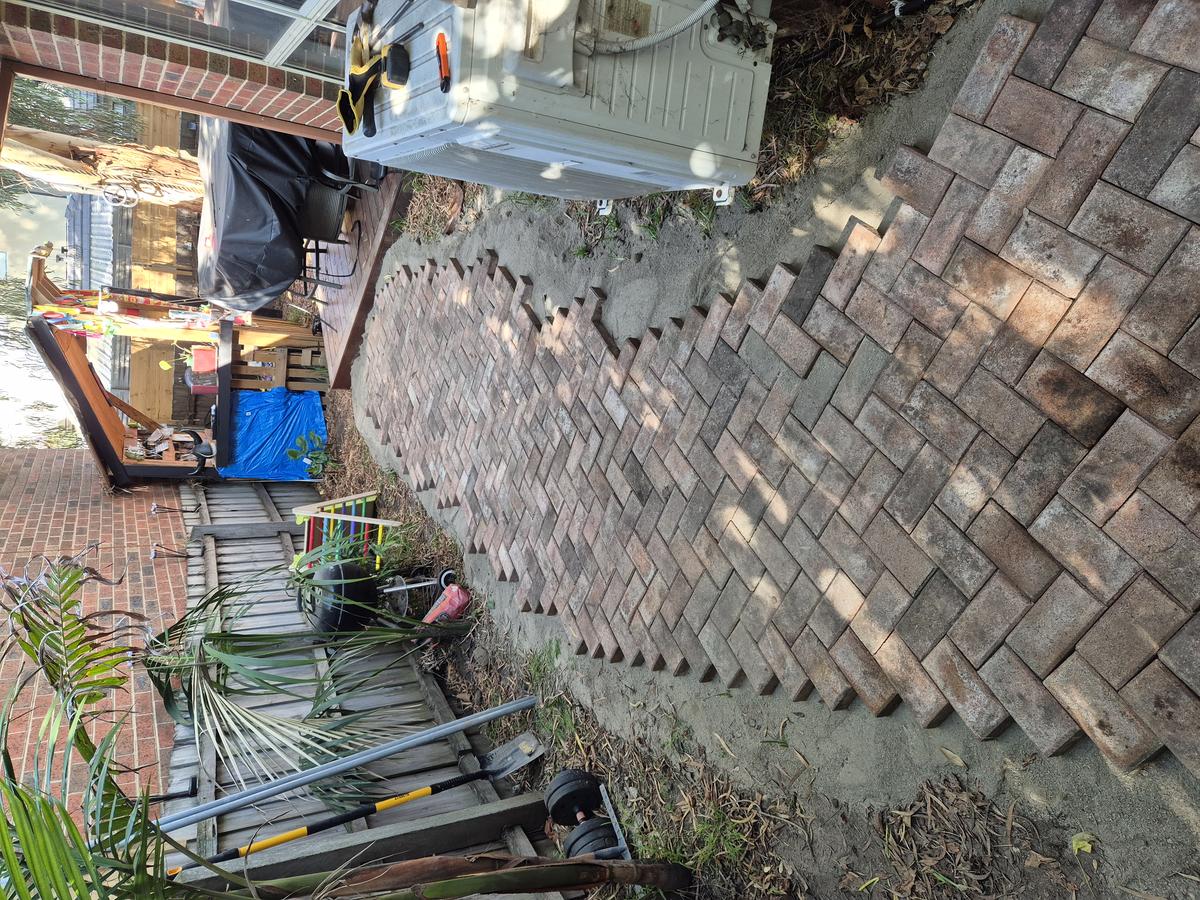
Herringbone is not just popular because it looks good — it is the structurally superior pattern for areas with vehicle traffic. The 45-degree interlocking orientation means load is transferred across multiple pavers simultaneously, preventing individual pavers from moving or rotating under pressure. This is why herringbone has been used in high-traffic areas for centuries.
The Aesthetic Appeal
Herringbone creates a dynamic visual texture that makes large paved areas interesting without being overwhelming. The diagonal lines draw the eye forward, making driveways appear longer and pathways more inviting. It scales well — looking equally good in a small courtyard or a large double driveway.
Brick Choices for Herringbone
Recycled red clay bricks are the classic Melbourne choice for herringbone driveways. The variation in colour that comes with recycled bricks — from deep red through orange to light terracotta — creates a richness and character that new bricks cannot replicate.
New clay bricks offer more consistency of colour and are available in a wider range of tones from charcoal through buff to terracotta.
45-Degree vs 90-Degree Herringbone
Classic herringbone runs at 45 degrees to the house. This is the traditional choice and looks best on most properties. A 90-degree herringbone (parallel to the house) is also popular and suits contemporary homes with strong horizontal architecture.
Cost
Herringbone brick paving typically costs $90–$160 per square metre installed in Melbourne, depending on brick type and site conditions. Contact Antonio for a free quote.