
By Antonio PrimeScape | May 2026
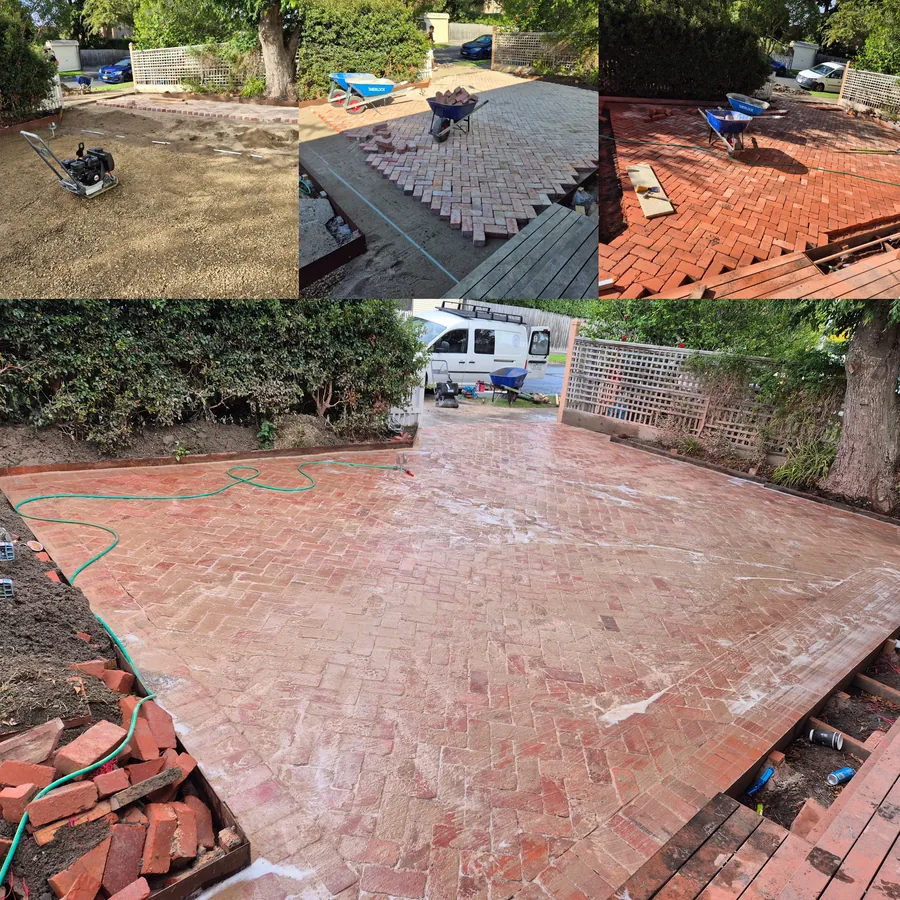
Melbourne homeowners are increasingly asking about permeable paving — and for good reason. With our city's intense stormwater events, aging drainage infrastructure, and tightening council regulations, permeable (also called porous or water-permeable) paving is becoming a smart choice for driveways, patios, and pathways.
But is it worth the extra cost? Let's break down how it works, what it costs, and when it makes sense for your Melbourne property.
Unlike standard paving where water runs off the surface into drains, permeable paving allows rainwater to pass through the surface and infiltrate into the ground below. This is achieved through one of three systems:
For Melbourne residential applications, permeable interlocking pavers are the most popular choice — they offer the same look as traditional brick paving while adding significant drainage benefits.
Melbourne's stormwater infrastructure was largely designed decades ago, and many suburbs experience localised flooding during heavy rain events. Every square metre of impermeable surface (roof, driveway, patio) contributes to this problem by sending water straight to storm drains.
Permeable paving reduces runoff by 80–90% compared to standard paving or concrete. This matters because:
Permeable paving typically costs 15–30% more than standard paving due to the additional base preparation and specialised materials.
Estimated costs for Melbourne (per m², installed):
Standard brick paving: $85–$130/m²
Permeable brick paving: $110–$160/m²
Standard concrete driveway: $60–$120/m²
Porous concrete: $90–$150/m²
The price premium comes mainly from the deeper base layer — permeable paving requires a 250–400mm sub-base of crushed rock to store and infiltrate water, compared to 100–150mm for standard paving.
However, you may offset some of this cost because permeable paving can eliminate or reduce the need for:
Several Melbourne councils now have specific stormwater management policies that encourage or require permeable surfaces:
It's always worth checking with your local council before starting any paving project. Antonio PrimeScape handles permit applications and compliance as part of our service.
Permeable paving needs slightly more care than standard paving because the drainage gaps can clog over time:
It's not the right choice for every situation:
For Melbourne homeowners planning a new driveway, patio, or entertaining area — especially in suburbs with clay soil, flooding history, or strict council requirements — permeable paving is absolutely worth considering. The 15–30% cost premium delivers genuine drainage benefits, council compliance, and environmental value.
If you're in an area with good soil drainage and no council pressure, standard paving remains an excellent choice. The concrete vs pavers driveway guide covers the standard options in detail.
Read more about permeable paving systems in Melbourne for a deeper technical breakdown.
It can, but only if the base layer is designed correctly. A percolation test is essential. In low-permeability soils, the base layer acts as a storage tank that slowly releases water into the ground — this is called an attenuation system.
Yes. Permeable interlocking pavers are suitable for residential driveways carrying cars and light vehicles. For heavy traffic, the base needs to be engineered to handle the combined load and drainage requirements.
Indirectly — homes with sustainable drainage solutions and no flooding issues are more attractive to buyers. In areas prone to stormwater problems, it's a definite selling point.
If your project would otherwise require expensive drainage pits, pipes, or on-site detention tanks, permeable paving can reduce or eliminate those costs, narrowing the price gap significantly.
25–40 years with proper installation and annual maintenance — comparable to standard brick paving.
Free written quotes across Melbourne's south-east. We help with council compliance too.
📞 0406 170 544 📋 Free Quote Form