Planning a new outdoor area and stuck between a deck and paving? Here's an honest comparison of cost, lifespan, upkeep and comfort in Melbourne's climate. (Full disclosure: we're paving specialists — we don't build decks.)
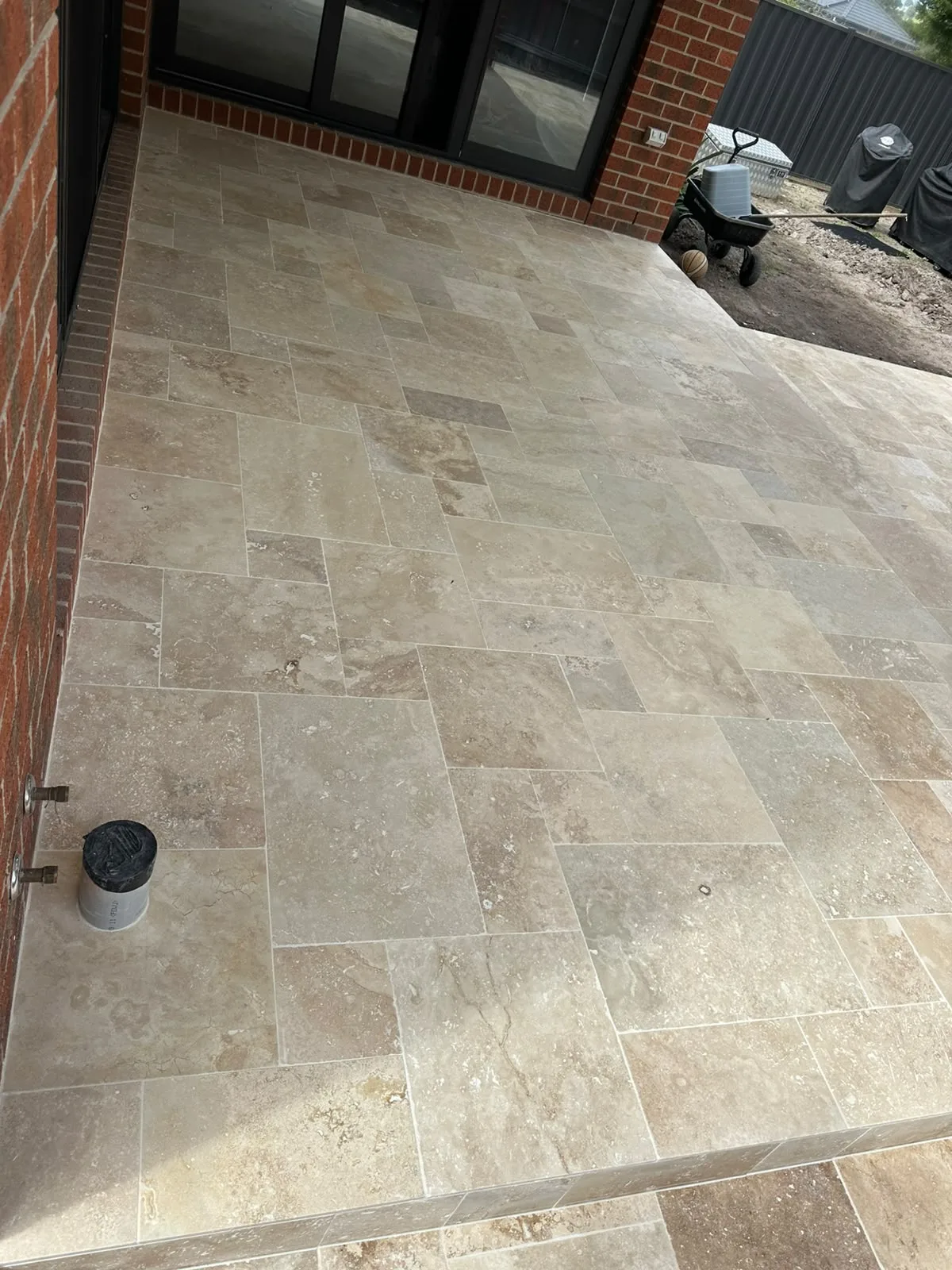
Paving usually costs less up front, lasts longer and needs less maintenance. Decking is often the better choice on steep or uneven ground, over a slope where you'd otherwise need big retaining walls, or where you want a raised platform level with the house floor. Many Melbourne homes use both: a deck off the living room stepping down to a paved area, path or pool surround.
| Item | Guide price |
|---|---|
| Brick paving, supplied and laid | $150–$250/m² |
| Travertine or porcelain paving | $180–$280/m² |
| Bluestone paving | $190–$300/m² |
| Timber or composite decking (market range) | around $330–$600/m² |
Prices include GST and are a guide based on recent Melbourne jobs. Final price depends on access, excavation, drainage and material. Every job gets a free written fixed-price quote after a site visit — or send photos to 0406 170 544 for a quick estimate.
Well-laid paving on a compacted base lasts decades; brick, bluestone and porcelain can easily outlive the house's other outdoor features. Decking lifespan depends on the timber or composite, the frame and ventilation underneath. Hardwood decks need regular oiling to stay in good condition; composite needs less, but the frame still ages.
Paving needs an occasional clean, joint top-up and, for natural stone, resealing every few years. Timber decks usually need cleaning and oiling every year or two to prevent greying, splitting and cupping. Composite decking avoids oiling but still needs cleaning, and the frame underneath should be checked over time.
Pale paving such as travertine stays comfortable underfoot. Dark stone and dark composite boards can get hot in full sun. Timber stays relatively comfortable but can splinter if not maintained.
This is where decks shine. On a steep block, a deck can create a flat area without large retaining walls. Paving on a slope needs steps, retaining walls and careful drainage, which adds cost. On flat or gently sloping blocks, paving is usually simpler and cheaper.
Timber near the ground can attract termites and rot if ventilation and drainage are poor. Paving isn't affected by termites, but on Melbourne's reactive clay it needs a proper compacted base and drainage to stay level. Merbau decking can also stain nearby paving and render with tannins in the first months after installation — worth knowing if you're combining the two.
A deck and paving work well together when the levels and drainage are planned as one. Paving beside a deck should fall away from it so water doesn't sit under the boards, and the joint between the two should be neat and step-free where possible. We regularly lay paving, paths and drainage beside existing decks; the deck itself is a job for a carpenter or deck builder.
Buyers generally see both a well-built deck and quality paving as positives. What hurts value is a tired deck with rotting boards or paving that has sunk and cracked. Whichever you choose, build it properly and maintain it, and it will add appeal when it's time to sell.
Around pools, paving is the standard choice in Melbourne: stone and porcelain handle constant wetting, chlorine and salt far better than timber, and give reliable grip. Decks near pools need careful board spacing, ventilation and a finish rated for wet areas, and still need more upkeep.
For a 25m² outdoor area on a flat block, brick paving would typically cost around $3,750–$6,250 laid and travertine around $4,500–$7,000, including GST, plus any demolition and drainage. A deck of the same size, at typical 2026 market rates, would usually cost considerably more. On a steep block the gap narrows, because paving needs retaining walls and steps.
In shady, damp corners of Melbourne backyards, timber decks can get slippery with algae and take longer to dry, which shortens their life. Paving in shade can grow moss too, but it's easy to clean and a textured stone or paver keeps grip. Good falls and drainage help both.
Paving copes well with scooters, heavy furniture, barbecues and pets' claws. Timber decks can dent and scratch; composite is tougher but can still mark. For a busy family area, paving is usually the harder-wearing choice.
Decks above a certain height or close to boundaries can need a building permit in Victoria; ground-level paving usually doesn't, though stormwater must still go to the legal point of discharge. Check with your council or building surveyor for your situation.
If paving is the right fit for your yard, Antonio will measure up for free and give you a written, fixed-price quote. If a deck makes more sense for your block, we'll tell you honestly.
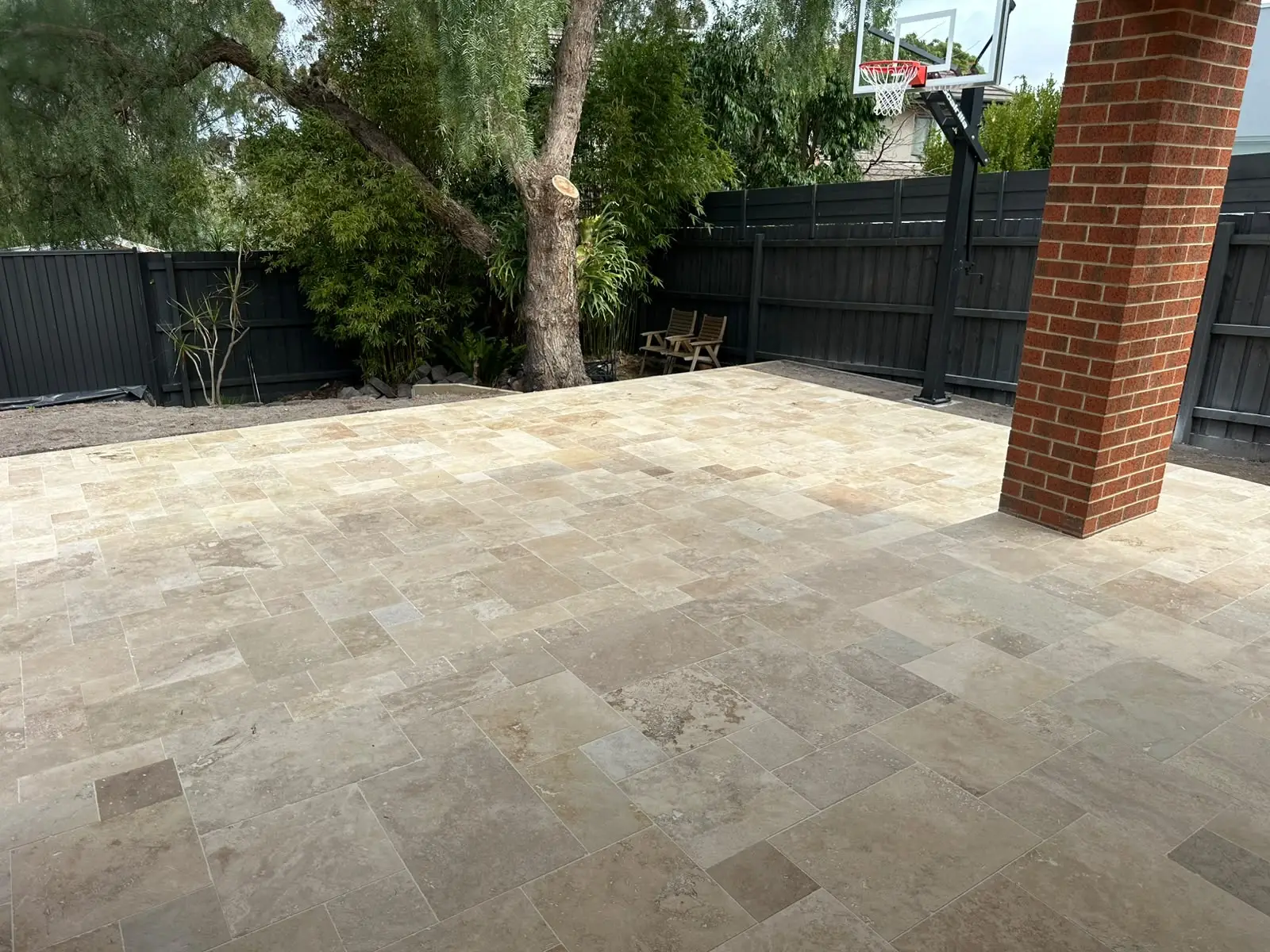
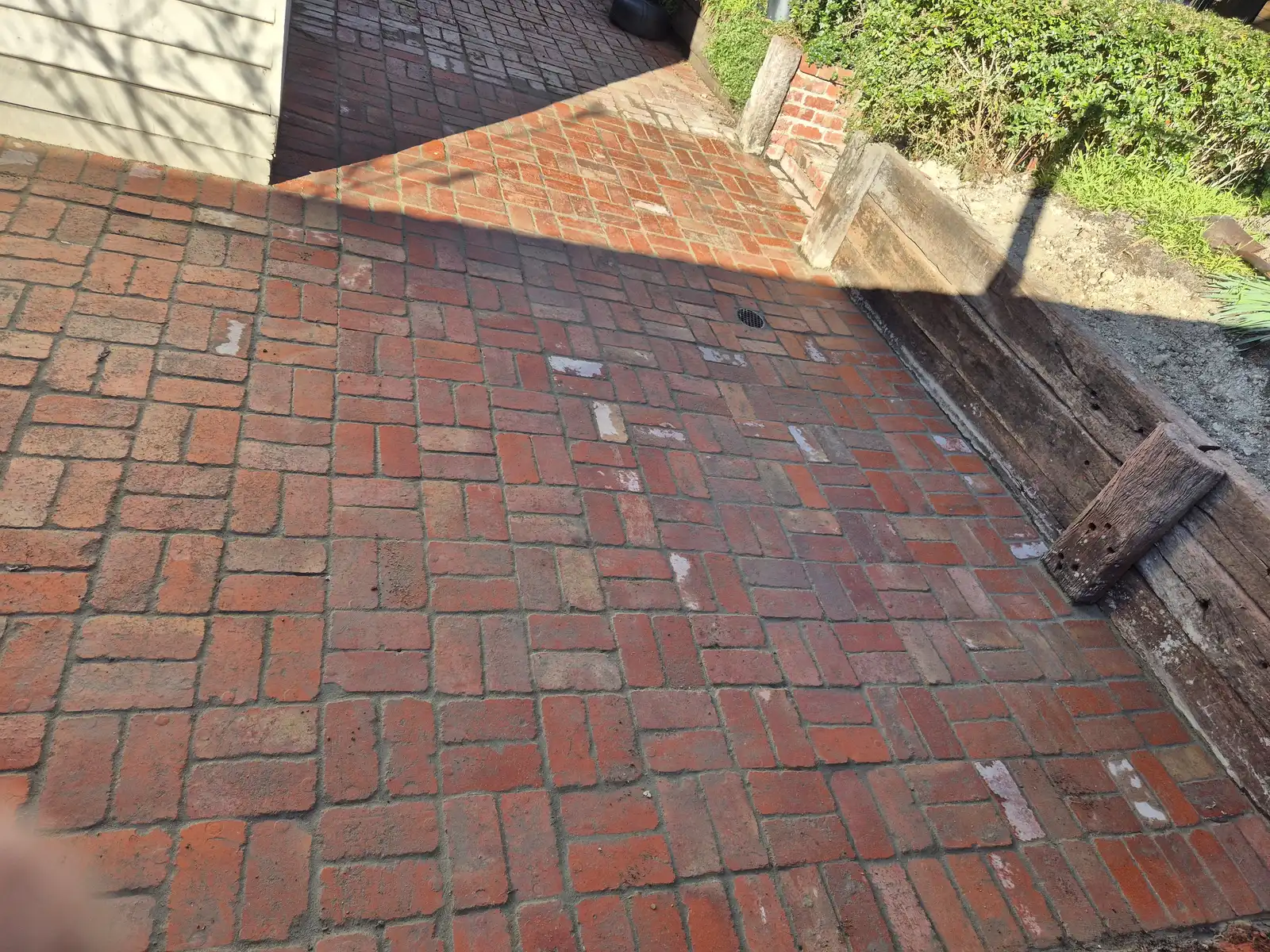
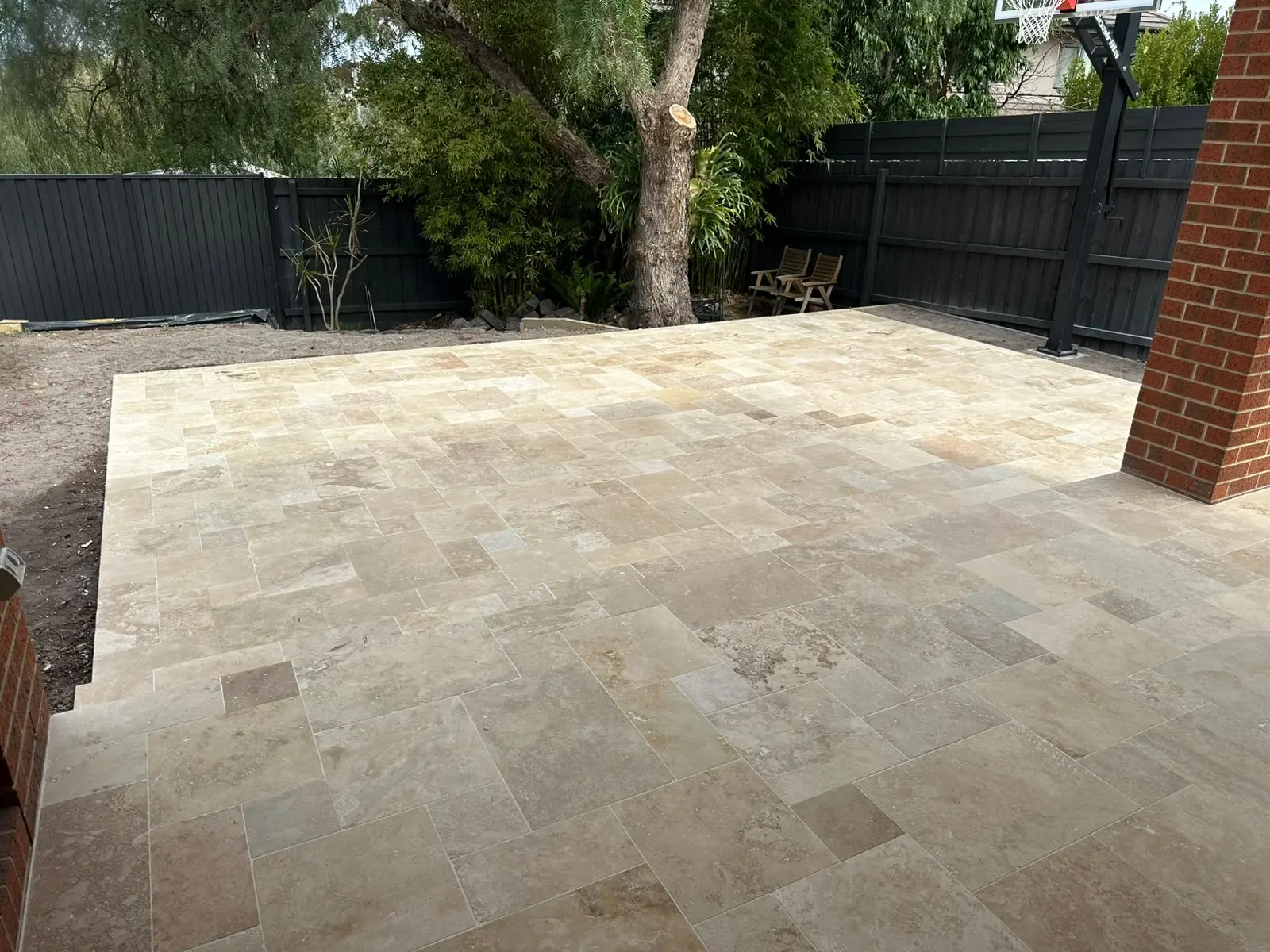
Usually yes — brick paving is $150–$250/m² laid, while timber or composite decks typically cost around $330–$600/m² (2026 market range).
Paving on a proper base generally lasts longer and needs less maintenance than a deck.
No — we're paving specialists. We lay paving, paths and drainage, including beside existing decks.
Often, yes — a deck can create a level area without large retaining walls.
⭐ 5.0 Google · 70 reviews · $20M insured · 1‑year workmanship warranty
Antonio completed our bluestone paving in Hampton and the result is outstanding. The levels, drainage and finishing details are flawless. Highly recommended for high-end paving.
We had a fairly complicated drainage issue on the site, but Antonio came up with a solution and executed it perfectly. The workmanship was top quality, and there were no unexpected surprises along the way.
Antonio runs a very professional small business. Friendly, punctual and hard working. Built 2 retaining walls and remodelled our driveway paving. Would use Antonio's service again.
Antonio and his colleague did a great job with our backyard brick laying. Easy to deal with, on time and professional.
Antonio just completed some brick paving alongside our front fence. The paving looks fabulous and was completed in 2 days. He was reliable and the work was completed to a high standard.
Antonio cleared out our small backyard, laid some pavers and built a step around our existing deck. He was quick to respond, well priced, and was happy to change and vary the scope of works as needed.
Send a few details and photos — Antonio will reply the same day (Mon–Sat).
